
Semaglutide & Alcohol: Can You Safely Drink? | PeptideIQ
Semaglutide Alcohol: Can You Safely Drink on GLP-1 Therapy?
The semaglutide alcohol question is one of the most common mid-protocol concerns — and most doctors don't give you the full picture of what's actually happening in your body.
Key Takeaways
- Alcohol amplifies nausea and GI side effects when combined with semaglutide, since both substances slow gastric emptying and stress the liver.
- Moderate drinking (1–2 drinks per week) is generally safer than binge drinking, but even moderate intake worsens dehydration — a known GLP-1 risk.
- Alcohol disrupts appetite suppression and adds empty calories, potentially undermining your weight loss progress while on GLP-1 therapy.
- Semaglutide is metabolized alongside liver function; heavy alcohol use increases liver burden and may reduce medication effectiveness over time.
- New research shows semaglutide may actually reduce alcohol cravings — an unexpected pharmacological benefit of GLP-1 receptor activation.
Contents
- Can You Drink Alcohol While Taking Semaglutide?
- What Semaglutide Alcohol Interactions Do to Your Body?
- How Does Semaglutide Alcohol Use Affect Your Weight Loss?
- Why Does Semaglutide Change How Alcohol Affects You?
- How Much Alcohol Can You Safely Drink on Semaglutide?
- Does Semaglutide Reduce Alcohol Cravings?
- Why Do Doctors Warn Against Alcohol With Semaglutide?
- The Bottom Line: Is Alcohol Safe on Semaglutide?
- Track Your Progress With PeptideIQ
- Frequently Asked Questions
Can You Drink Alcohol While Taking Semaglutide?
Yes, moderate alcohol consumption is generally considered acceptable on semaglutide — but "moderate" is doing a lot of work in that sentence. The FDA has no blanket prohibition on alcohol with semaglutide, but the interaction between GLP-1 drugs and alcohol affects digestion, liver metabolism, and side effect severity in ways most users don't anticipate.
Semaglutide (sold as Ozempic for type 2 diabetes, Wegovy for weight management, and available as compounded semaglutide) slows gastric emptying and suppresses appetite through GLP-1 receptor activation. Alcohol also affects gastric motility and liver function — the overlap matters.
The result: a drink that felt normal before GLP-1 therapy may hit harder, trigger nausea, or leave you dehydrated and off-protocol for days.
 Understanding the semaglutide and alcohol interaction is the first step toward making informed protocol decisions.
What Semaglutide Alcohol Interactions Do to Your Body?
When you combine semaglutide and alcohol, you're stacking two substances that both slow your digestive system and stress your liver. Semaglutide already reduces gastric emptying by up to 40% — alcohol that would normally pass through quickly now pools in the stomach longer, compounding both nausea and dehydration risk.
How Nausea Gets Amplified on Semaglutide
Nausea is the most common semaglutide side effect, particularly in the first 4–8 weeks of titration. Alcohol independently irritates the GI tract and further delays gastric emptying.
Combined, the two create a feedback loop: slowed digestion traps alcohol longer, worsens nausea, and increases the likelihood of vomiting. Users frequently report that a single drink triggers nausea they wouldn't normally experience — especially within 2–3 hours of a weekly injection.
If you're already managing Ozempic's common GI side effects, alcohol is the variable most likely to amplify them.
Dehydration Compounds the Risk
Semaglutide already increases dehydration risk through reduced fluid intake and potential GI fluid loss. Alcohol is a diuretic — it actively promotes fluid loss.
Headaches, fatigue, and dizziness are common dehydration signals on GLP-1 therapy. Adding alcohol makes every one of them more likely and more severe.
Key insight: The GLP-1 + alcohol combination doesn't add two separate risks — it multiplies them. Nausea and dehydration intensify beyond what either substance causes alone.
 Semaglutide slows gastric motility by up to 40% — alcohol extends that effect further, making side effects significantly worse.
How Does Semaglutide Alcohol Use Affect Your Weight Loss?
Alcohol can undermine semaglutide weight loss through three mechanisms: empty calorie intake, disrupted appetite suppression, and impaired sleep quality. Regular drinking — even moderate — can measurably stall progress on GLP-1 therapy, particularly during the critical first 12 weeks of dose titration.
The Hidden Calorie Problem
Alcohol contains 7 calories per gram — more than carbohydrates or protein, and approaching fat. Unlike food, alcohol doesn't trigger the satiety pathways that semaglutide activates. A glass of wine provides 130–200 calories with no corresponding fullness signal.
For users already on a reduced calorie intake from GLP-1 appetite suppression, those hidden calories erode the deficit that drives weight loss.
Appetite Suppression Interference
Beyond calories, alcohol affects appetite regulation directly. While semaglutide suppresses ghrelin (the hunger hormone), alcohol can temporarily override this effect — leading to late-night food cravings that your GLP-1 medication normally prevents.
Beyond the typical plateau factors, lifestyle variables like alcohol can also slow semaglutide results by disrupting the hormonal environment your protocol depends on.
Alcohol vs. Weight Loss Risk: A Quick Comparison
| Alcohol Type | Calories/Serving | GI Distress Risk | Dehydration Risk |
|---|---|---|---|
| Light Beer (12 oz) | ~100 | Low–Moderate | Moderate |
| Dry Wine (5 oz) | 120–150 | Moderate | Moderate |
| Hard Liquor (1.5 oz) | 100–130 | High | High |
| Cocktail (mixed) | 200–350+ | High | High |
| Hard Seltzer (12 oz) | 80–100 | Low | Moderate |
By the numbers: A Friday and Saturday of 2–3 drinks each adds 400–900 extra calories to your week — nearly equivalent to a full day of GLP-1-assisted eating. Users who track alcohol as a lifestyle variable in their protocol often identify it as the primary driver of their plateau weeks.
Why Does Semaglutide Change How Alcohol Affects You?
Semaglutide changes your response to alcohol primarily by slowing gastric emptying. This delay can make you feel less drunk initially — then drunk more suddenly as stomach contents eventually reach the small intestine. Some users report increased alcohol sensitivity, others less effect. Both experiences are real and explained by the same mechanism.
The Gastric Emptying Paradox
Under normal conditions, alcohol moves from the stomach into the small intestine quickly, and absorption begins. On semaglutide, that transit is slowed. Alcohol pools longer, leading some users to drink more than intended because the effect feels blunted — then it hits suddenly when contents eventually move through.
This unpredictability is a core reason medical professionals urge caution: you may underestimate how impaired you are mid-evening.
Blood Sugar Considerations
For users on semaglutide for type 2 diabetes (not just weight management), alcohol adds another layer: blood sugar dysregulation. Alcohol can both raise and lower blood sugar unpredictably, and semaglutide already modulates insulin response. The combination requires careful monitoring — this is where your prescribing doctor's specific guidance applies to your medical history.
How Much Alcohol Can You Safely Drink on Semaglutide?
There is no universal safe limit, but clinical guidance and community experience consistently point to 1–2 drinks per week as a reasonable ceiling for most semaglutide users. Binge drinking (4+ drinks in one sitting) should be avoided entirely — it significantly amplifies GI side effects, liver stress, and dehydration.
If you do drink on semaglutide, these practices reduce your risk:
- Eat before and during: A solid meal slows alcohol absorption and reduces gastric irritation. Never drink on an empty stomach while on a GLP-1.
- Hydrate aggressively: Match every alcoholic drink with at least one full glass of water.
- Choose lower-risk options: Light beer and dry wine are generally better tolerated than spirits or sugary cocktails.
- Time it away from your dose: Avoid alcohol within 24 hours of your weekly injection if you're prone to nausea.
- Track how your body responds: Alongside other mid-protocol challenges, alcohol-driven dehydration can amplify fatigue and headaches that are hard to separate from medication side effects.
When dehydration and nutritional disruption from alcohol use compound GLP-1 side effects, tracking becomes essential for separating what's causing what.
Does Semaglutide Reduce Alcohol Cravings?
Yes — and this is one of the most surprising findings in GLP-1 research. A 2024 randomized controlled trial published in JAMA Psychiatry found that low-dose semaglutide significantly reduced alcohol craving, drinks per week, and heavy drinking days compared to placebo over a 9-week trial.
The GLP-1 receptor plays a role in the brain's reward system, not just appetite regulation. Semaglutide appears to dampen dopamine-related reward signaling for alcohol similarly to how it reduces food-seeking behavior — which is why many users report spontaneously drinking less without consciously trying to cut back.
A 2025 UNC Health study confirmed these findings: semaglutide participants took significantly fewer drinks on days they consumed alcohol and had more alcohol-free days overall compared to placebo.
Bottom line: If you're on semaglutide for weight loss and notice you're craving alcohol less, that's not a placebo effect — it's a documented pharmacological mechanism. The same receptor suppressing your appetite is dampening your craving for alcohol.
This unexpected benefit doesn't eliminate the interaction risks if you do drink, but it's useful context: GLP-1 therapy is already working against problematic drinking patterns at the neurological level.
Why Do Doctors Warn Against Alcohol With Semaglutide?
Physicians flag two primary concerns: liver stress and unpredictable blood sugar effects. Semaglutide's metabolic processes depend on healthy liver function, and heavy alcohol use imposes additional hepatic burden — when both demands compete simultaneously, medication effectiveness and liver health can both suffer.
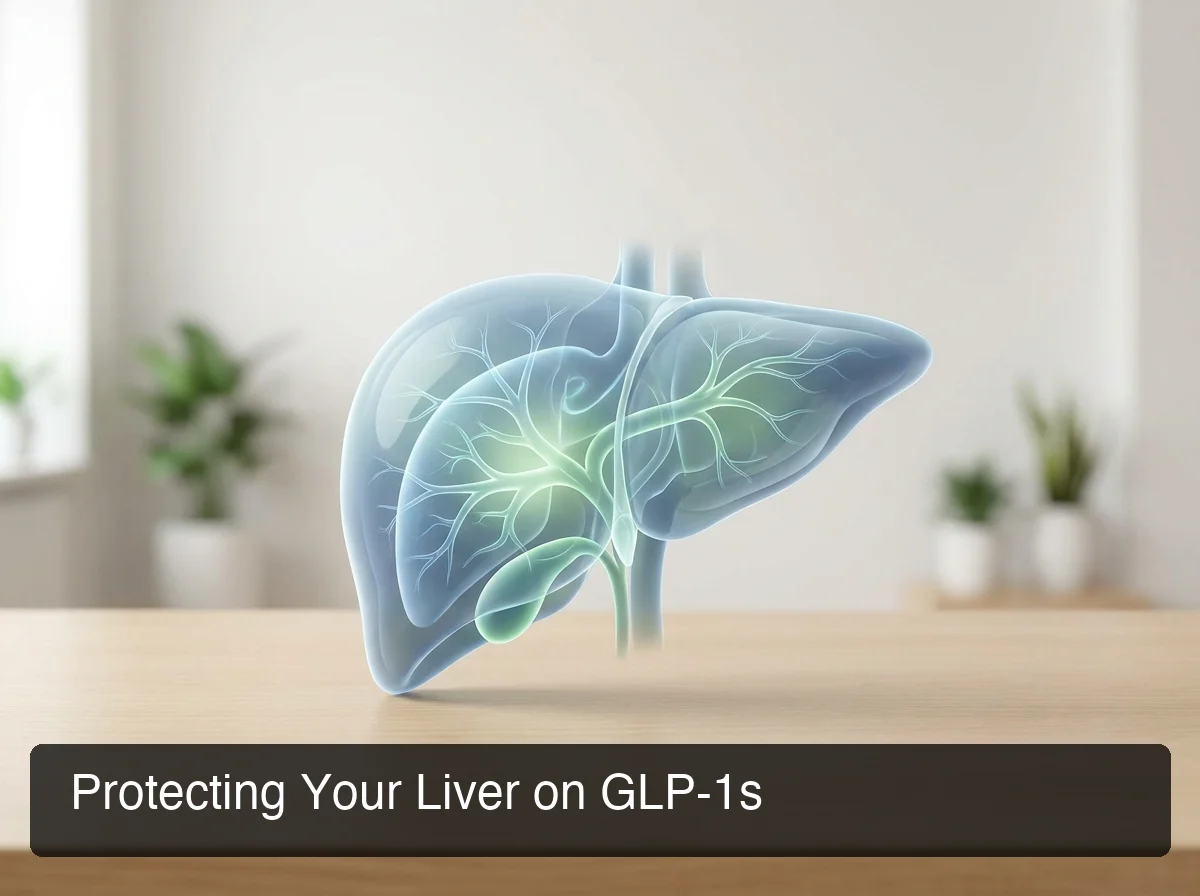 Heavy alcohol use and semaglutide share liver metabolic demands — making heavy drinking a compounding risk for long-term GLP-1 users.
Liver Metabolism Overlap
Both semaglutide and alcohol require liver processing. While semaglutide is primarily cleared by proteolytic degradation rather than hepatic enzymes, heavy chronic drinking damages hepatocytes — the liver cells that support overall metabolic health, including drug clearance.
For users on semaglutide who may already have non-alcoholic fatty liver disease (NAFLD is common in people with type 2 diabetes and obesity), this risk is amplified.
Long-Term Protocol Considerations
The concern isn't a single glass of wine — it's cumulative. If you're managing a longer GLP-1 protocol alongside other compounds, the liver bears a load that deserves regular monitoring. Users on growth hormone peptides like CJC-1295 alongside semaglutide should be especially attentive to liver markers in their bloodwork.
Key insight: One drink at a dinner party won't break your semaglutide protocol. A pattern of 3–5 drinks weekly over a 16-week cycle will likely show up in your weight loss data — and possibly your liver enzymes.
The Bottom Line: Is Alcohol Safe on Semaglutide?
 Managing social drinking decisions while on GLP-1 therapy comes down to frequency, quantity, and timing.
Alcohol is not prohibited on semaglutide, but it is not consequence-free. The key variables are frequency, quantity, and timing. Most users can tolerate occasional light drinking without derailing their protocol — but binge drinking, frequent drinking, or drinking during peak nausea weeks significantly raises the risk of setbacks.
Here's what the evidence supports in plain terms:
| Drinking Pattern | Risk Level |
|---|---|
| 1–2 drinks/week with food and water | Generally manageable for most users |
| 3+ drinks in one sitting | High nausea, dehydration, and hangover amplification |
| Drinking within 24h of injection | Increased GI side effect risk |
| Regular heavy drinking | Liver stress, weight loss stall, protocol concern |
The honest take for most people: if you're 4–8 weeks into semaglutide titration, you're better off avoiding alcohol until your dose stabilizes. After that, an occasional drink — with food, hydration, and awareness of your body's signals — is a reasonable choice for most people without diabetes complications or liver conditions.
Your prescribing doctor always has the final word based on your complete medical picture.
Track Your Progress With PeptideIQ
Managing a GLP-1 protocol is easier when you can see the data. Using a dedicated Ozempic tracking tool that logs your dose schedule, side effects, wellness metrics, and lifestyle variables means you can actually identify whether alcohol is affecting your results week over week, not just guess.
Download PeptideIQ on the App Store
Frequently Asked Questions
Can I drink alcohol the same day as my semaglutide injection?
Drinking on the same day as your weekly semaglutide injection is not recommended. Injection days are when nausea peaks for many users, and alcohol significantly amplifies GI distress. Wait at least 24–48 hours after your injection before consuming alcohol, and keep intake to 1–2 drinks maximum if you do.
Does alcohol stop semaglutide from working?
Alcohol does not completely neutralize semaglutide, but heavy or frequent drinking reduces its effectiveness. Alcohol disrupts appetite suppression, adds empty calories, and stresses the liver — all working against your GLP-1 protocol's weight loss goals. Occasional light drinking is unlikely to meaningfully impair the medication itself.
Why do I get drunk faster on semaglutide?
Semaglutide slows gastric emptying, which delays alcohol absorption initially — but then it arrives in the small intestine more suddenly, causing a faster peak effect. Some users report alcohol hitting harder, others feel less effect. The unpredictability is the real risk: don't assume your normal tolerance applies while on GLP-1 therapy.
What is the best alcohol to drink on semaglutide?
Light beer and dry white wine are generally better tolerated than spirits, cocktails, or sugary drinks. They have lower calorie density and less GI irritation potential. Avoid drinking on an empty stomach regardless of what you choose, and prioritize hydration — at least one full glass of water per alcoholic drink.
Can semaglutide help with alcohol use disorder?
Research suggests it can reduce alcohol cravings and heavy drinking behavior, though it is not an approved treatment. A 2024 JAMA Psychiatry trial found semaglutide significantly reduced cravings and heavy drinking days in adults with alcohol use disorder over 9 weeks. The GLP-1 receptor's role in the brain's reward system appears to dampen alcohol-seeking behavior.
What does PeptideIQ do for semaglutide users?
PeptideIQ is an AI-powered guided system for peptide and GLP-1 users. It tracks your protocol, dose schedule, side effects, wellness metrics, and lifestyle variables — including alcohol as a correlating factor. Its AI co-pilot provides personalized insights based on your specific cycle and logged data, not generic advice.
Is it safe to have one glass of wine on Ozempic?
A single glass of wine with a meal is generally low-risk for most semaglutide users without liver disease or diabetes-related complications. Eat beforehand, drink water alongside it, and avoid this during your first 8 weeks of titration when GI side effects are most active. Side effects are more likely if you're already experiencing nausea at your current dose.